Anerley garden services hidden charges to avoid: a practical guide for homeowners and landlords
If you've ever asked for a quote and then watched the final bill creep upward, you already know why Anerley garden services hidden charges to avoid matters. Garden work should feel straightforward: a clear price, a clear scope, and no awkward surprises when the van pulls away. But in the real world, quotes can blur together fast, especially when a job includes clearance, hedge cutting, lawn care, or a bit of landscaping that looks simple at first glance.
This guide breaks down the charges people often miss, how to read a quote properly, and what to ask before any work starts. It's written for everyday garden owners, landlords, and anyone who wants a fair deal without the usual headache. Because let's face it, nobody wants to be arguing over "extra waste" or "access difficulty" after the border has been trimmed and the patio is already covered in clippings.
For a wider overview of what a local provider may cover, it can also help to look at the services overview and the page on pricing and quotes before you book anything.
Why Anerley garden services hidden charges to avoid Matters
Garden services are one of those jobs where the visible part and the hidden part can be very different. You might be comparing two quotes for what sounds like the same work, but one contractor has packed in disposal fees, vehicle charges, minimum call-out costs, or "site condition" extras. The other hasn't. On paper they may look similar. In practice, they are not.
That matters in Anerley because gardens here can vary a lot from property to property. Small front plots, long back gardens, awkward shared access, narrow side gates, old timber decking, mature hedges, and the odd corner that has turned into a mini wilderness after a wet spring all change the amount of labour involved. A quote that ignores those details is not really a good quote. It's just a hopeful number.
Hidden charges also create trust problems. If you feel ambushed once, you'll probably question every future invoice. And fair enough. Good garden companies should make it easy to understand what you are paying for before work begins, not after the mower is back in the van and the weather has turned grey again.
Expert summary: the cheapest headline quote is not the cheapest job if it leaves waste, access, labour time, or materials "to be confirmed." Read the scope, not just the number.
How Anerley garden services hidden charges to avoid Works
Most hidden charges appear because the job was priced before the contractor had enough information. Sometimes that's an honest mistake. Sometimes it's a sales tactic. Either way, the result is the same: the price climbs after the work has started.
Common pricing models in garden work usually fall into a few patterns:
- Fixed quote: a set price for a clearly defined job.
- Hourly rate: time-based pricing, usually safer for uncertain jobs but not always the best value.
- Day rate: useful for larger or more complex outdoor work.
- Quoted base price plus extras: the one to watch most carefully, because the extras can multiply quickly.
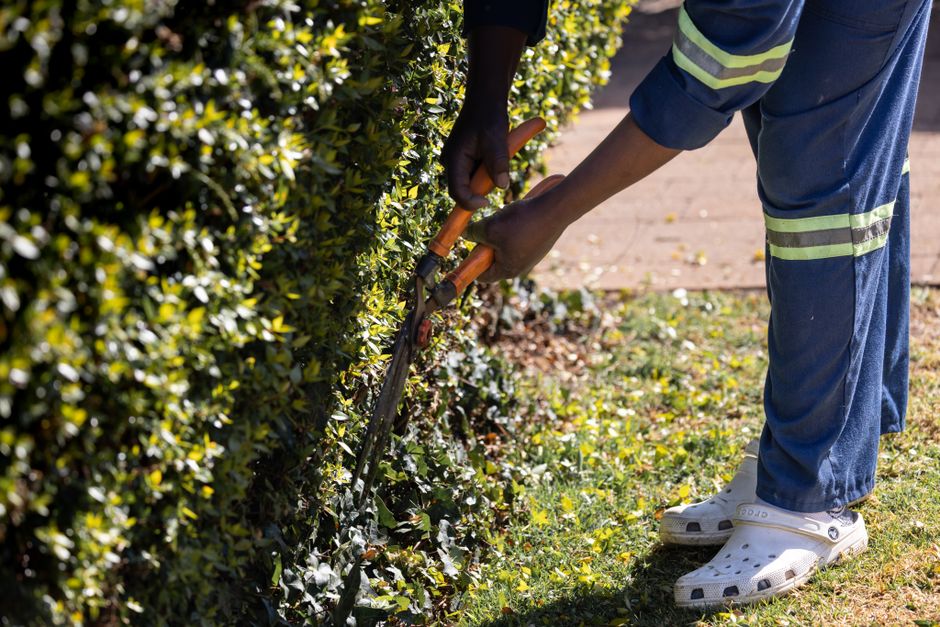
Hidden charges tend to appear in the "extras" bucket. That may include waste disposal, fuel, parking, difficult access, weekend work, overtime, equipment hire, replacement materials, or extra labour for overgrown areas. A hedge trim, for instance, can become more expensive if cuttings need bagging, a ladder is needed, or the hedge is thicker than expected. The same goes for garden clearance, where a pile of branches, soil, and broken pots can turn a short visit into a longer haul.
If you are comparing services like lawn mowing, hedge trimming, or garden clearance, ask whether the quote includes waste removal, disposal site costs, and labour for loading. These are tiny details at first. Then suddenly they are not.
One practical clue: if a contractor keeps saying "it depends," that may be fair enough for a rough estimate, but it should not be used to dodge the important bits. A professional quote can still include assumptions. It just needs to say them clearly.
Key Benefits and Practical Advantages
Spotting hidden fees early isn't just about saving money, although yes, that's a big part of it. There are a few other benefits too.
- Better budgeting: you know the total likely cost, not just the headline figure.
- Less stress: no awkward surprise when the invoice lands.
- Stronger comparison: quotes can be compared fairly, like for like.
- Faster decisions: once you understand the scope, choosing a provider gets much easier.
- Better workmanship: clear pricing often reflects clearer working methods overall.
There is also a subtle but important benefit: clearer quotes tend to reveal which businesses are organised. A company that explains disposal, access, and materials properly is usually a company that has thought through the job properly too. Not always, but often enough to matter.
For bigger projects, this can be especially useful. If you are considering landscaping or landscape gardening, hidden fees can appear around groundwork, materials, deliveries, and unexpected site preparation. Those jobs need a bit of seriousness. A quick price scribbled on the back of a van card is rarely enough.
Who This Is For and When It Makes Sense
This guide is for anyone who wants honest pricing and fewer surprises. That includes homeowners, landlords, letting agents, property managers, and anyone who is getting regular outdoor maintenance done.
It makes particular sense if:
- your garden has overgrown areas or unclear access
- you need a mix of services rather than one simple task
- you are comparing multiple quotes and they do not seem easy to compare
- you've had a poor experience with "extras" before
- you're booking work after a long gap, perhaps at the end of winter or just before summer
Landlords and managing agents often have the most to lose from vague pricing. If a tenant reports a neglected lawn or a blocked access path and you need a quick turnaround, the cheapest sounding option can become the most expensive one. You don't want a simple tidy-up drifting into repeated call-outs because nobody clarified the scope.
If your property also needs specialist work, such as tree work or structural outdoor improvements, it's worth checking the relevant service pages early, including tree lopping and removal or decking services. Those jobs often carry different assumptions, and that's where pricing confusion starts.
Step-by-Step Guidance
Here's a simple way to avoid the most common hidden charges without turning quote comparison into a part-time job.
- Define the job in plain English.
Say exactly what you want done. For example: mow front and rear lawn, trim rear hedge, remove cuttings, sweep patio. - Ask for a written quote.
A proper written quote should list what is included, what is excluded, and any assumptions. - Check waste and disposal terms.
Ask whether green waste, mixed waste, soil, branches, or bulky items are covered. This is one of the most common surprise areas. - Clarify access conditions.
Will there be a charge if the crew must carry tools through the house, use a long wheelbarrow route, or work around locked gates? - Ask about minimum charges.
Some companies have a minimum booking value. That can be fine, but it should be clear upfront. - Confirm timing and labour assumptions.
Weekend work, urgent bookings, and late changes often cost more. Better to know before the job begins. - Look for materials and equipment clauses.
If new soil, gravel, sleepers, or specialist tools are needed, ask who pays for them and how they are billed. - Get agreement on changes.
If the team finds more work than expected, ask them to pause and confirm before proceeding with extras.
A quick real-life example: a garden clearance may seem like a one-visit job. Then the crew finds hidden waste under a pile of ivy, or the green bin is already full, or access to the rear garden means every bag has to be carried the long way round. None of that is dramatic. It's just the sort of thing that should have been discussed early, not discovered halfway through a wet Tuesday morning.
Expert Tips for Better Results
In our experience, the best way to avoid garden service price creep is not to argue harder. It's to ask better questions earlier. Slight difference, but it matters.
- Ask for the quote in tiers. For example: base price, likely extras, and worst-case extras.
- Use photos, but don't rely on them alone. Photos are helpful, though they can hide depth, access issues, and waste volume.
- Confirm whether quotes are inclusive of VAT if relevant. A price that looks tidy may not stay tidy once tax is added.
- Bundle related jobs sensibly. A lawn cut plus hedge trim plus light tidy-up may be cheaper as one visit than three separate calls.
- Ask what counts as "overgrown." That word means different things to different providers.
- Keep a short record of what was agreed. Even a simple email or text thread helps if there is later confusion.
And here's a small but useful habit: if a contractor is reluctant to spell out exclusions, pause. Not because they are automatically dodgy. Sometimes they're just busy or rushed. But you want clarity, not optimism.
For repeat maintenance, a service like garden maintenance can be easier to budget for than one-off ad hoc visits. Regular care often reduces the chance of surprise costs because the garden stays within a manageable range. Truth be told, that's usually kinder to the plants too.
Common Mistakes to Avoid
People usually get caught out for one of a handful of reasons. None of them are silly. They are just easy to make when you're juggling work, home life, and a garden that has quietly gone feral.
- Choosing only on headline price. The cheapest quote is not always the best value once extras are added.
- Assuming waste removal is included. This is one of the biggest traps in outdoor work.
- Not checking access. A side gate, shared path, or steep steps can change the effort involved.
- Leaving scope vague. "Sort the garden out" is understandable, but not very precise.
- Ignoring minimum charges. A short job can still trigger a full booking fee.
- Forgetting about materials. Compost, topsoil, sleepers, fixings, and gravel can all add up.
- Assuming urgent jobs cost the same as planned jobs. Same day and weekend callouts often follow different pricing.
Another common slip is forgetting to ask whether the crew will remove everything they cut. For example, a hedge trim may include shaping only, while green waste removal is extra. That's not unusual. It just needs to be stated clearly. Otherwise you end up staring at six bags of clippings and wondering who, exactly, thought this through.
Tools, Resources and Recommendations
You do not need a fancy toolkit to avoid hidden charges. A few simple things will help more than you might think.
- A phone camera: take clear pictures of the whole garden, gate access, and any problem spots before requesting a quote.
- A brief checklist: note what you want done, what must stay, and what should be removed.
- Measurements where possible: rough lawn size, hedge length, or the number of bags of waste can help.
- Email or text records: keep written confirmation of the agreed scope and price.
- A comparison sheet: list base price, waste, materials, access, and timing side by side.
If you are looking at more involved property work, browsing the relevant pages in advance can help you avoid crossed wires. For example, landscaping and hedge trimming may sound garden-related, but they usually involve different labour patterns, equipment needs, and disposal expectations. Small detail, big difference.
Also worth doing: read the company's pages on insurance and safety, health and safety policy, and payment and security. These pages can tell you a lot about how the business operates, even before you speak to anyone. A tidy site doesn't guarantee a tidy job, but it often signals a more organised operation.
Law, Compliance, Standards, or Best Practice
For garden services, the most relevant principle is simple: the customer should understand what they are paying for before the work is carried out. In the UK, businesses are expected to communicate pricing and service terms clearly and not mislead customers. You do not need to become a legal expert to benefit from that. Just use it as a common-sense standard.
Best practice in this sector usually includes:
- clear written quotes
- transparent exclusions and assumptions
- reasonable notice before extra work is added
- safe working practices for tools, ladders, waste handling, and site access
- appropriate insurance for the type of work being undertaken
If a business offers disposal or recycling as part of the service, it should be clear about what is being taken away and how. For larger clearances, a responsible approach to sorting and disposal matters, which is why a page such as recycling and sustainability can be a useful signal of how the company thinks about waste.
One practical note: if a quote changes after the job starts, ask why. There may be a legitimate reason. There may also be a communication issue. Either way, the explanation should be straightforward, not smoke and mirrors. That's not being difficult; that's just good business sense.
Options, Methods, or Comparison Table
When you are trying to avoid hidden charges, the pricing method matters almost as much as the service itself. Here's a simple comparison.
| Pricing method | Best for | Pros | Watch out for |
|---|---|---|---|
| Fixed quote | Defined jobs with clear scope | Easier budgeting, fewer surprises | Exclusions may still apply if not listed |
| Hourly rate | Uncertain or varied jobs | Flexible if scope changes | Final cost can rise quickly |
| Day rate | Larger outdoor projects | Good for multi-task work | Materials and disposal may be separate |
| Base price plus extras | Jobs with variable conditions | Can be fair if explained properly | Highest risk of hidden or late-added fees |
If the job is routine mowing, a simple fixed price may be easiest. If it is a big seasonal tidy-up, the contractor may need to inspect the site first. For mixed jobs, such as clearing, trimming, and ongoing maintenance, ask for a quote split by task so you can see where the money is going. That little bit of structure makes a world of difference.
Case Study or Real-World Example
Here's a realistic example from the sort of situation many people run into.
A homeowner in Anerley wants a spring tidy-up. The garden has an untidy lawn, a hedge that has pushed over its line, and a corner filled with dead cuttings after winter. They ask for a quote and receive a simple number by message. It sounds fair, so they book it.
On the day, the team arrives and discovers a few extras: the hedge is denser than expected, access to the rear is awkward, and the waste will take more than one vehicle load. Suddenly the original price becomes "the starting point," and the homeowner feels stuck because the work is already underway.
Now compare that with a better approach. The same homeowner sends photos, mentions access, asks whether waste disposal is included, and requests a written breakdown. The quote may be a little higher at first, but it is honest. More importantly, the homeowner can decide whether to go ahead before any cuttings hit the ground.
That second version is calmer, cleaner, and usually cheaper in the long run. Not glamorous, but it works.
Practical Checklist
Use this checklist before agreeing to any garden work.
- Have I described the job clearly and in writing?
- Does the quote include labour, waste removal, and disposal?
- Are materials, equipment hire, and parking costs included or separate?
- Have access issues been discussed?
- Do I know whether the job is fixed price, hourly, or a hybrid?
- Has the provider explained any minimum charge?
- Do I know what happens if extra work is discovered?
- Is the quote valid for a set period?
- Do I have written confirmation of the final scope?
- Am I comparing like for like with other quotes?
If you can tick most of those off, you are in a much stronger position. If not, slow down a little. A proper quote should make you feel clearer, not more confused.
Get a free quote today and see how much you can save.
Conclusion
Hidden charges in garden services are usually avoidable once you know where they tend to hide: waste removal, access, materials, minimum fees, and vague scope. The key is to ask the right questions early, get everything in writing, and compare quotes on the same basis. Simple enough in theory. A bit fiddly in practice, yes, but worth it.
If you're planning work in Anerley, take a moment to think through the details before booking. A clear conversation now can save you money, time, and that sinking feeling when the final bill lands. And honestly, a well-priced garden job should leave you with a tidy outdoor space, not a long bill and a headache.
When you are ready to move forward, choose the option that feels transparent, sensible, and easy to trust. That is usually the one that serves you best in the long run.
Frequently Asked Questions
What are the most common hidden charges in garden services?
The most common ones are waste disposal, access difficulties, extra labour, materials, fuel, and minimum call-out fees. They often appear when the job was not described clearly enough at the quoting stage.
Should a garden quote include waste removal?
It should be stated clearly either way. Some companies include waste removal in the price, while others charge separately. The important thing is that you know before the work starts.
Why do garden prices change after the job begins?
Prices usually change because the site was more complex than expected, or because the original quote did not define the work tightly enough. In some cases, extra work is approved on the day; in others, the process is simply not explained well.
Is a fixed quote better than an hourly rate?
For clearly defined jobs, a fixed quote is often easier to manage because it gives you certainty. Hourly rates can be fair for unpredictable work, but they can also become expensive if the scope drifts.
How can I compare two garden quotes fairly?
Compare the scope, waste handling, materials, access assumptions, timing, and any extra charges. A lower headline price is not useful if it excludes half the job.
Do hedge trimming and lawn mowing usually have hidden fees?
They can, especially if clippings need removing, the hedge is very dense, or the garden has difficult access. Regular maintenance tends to be simpler and easier to price than one-off heavily overgrown work.
What should I ask before booking garden clearance?
Ask what waste is included, whether mixed waste costs extra, how loading and disposal are handled, and what happens if the volume is bigger than expected. Garden clearance is one of the easiest services for surprise costs to creep in.
Can I ask for extra work to be paused until I approve it?
Yes, and you should. A good provider will usually be happy to confirm before carrying out any additional work that changes the price.
Do I need everything in writing?
It is strongly advisable. A short written quote or message thread can prevent misunderstandings later, especially where waste, materials, or site access are involved.
How do I know if a garden company is being transparent?
Look for clear descriptions, plain language, and upfront answers. If they explain what is included and what is not without dancing around the subject, that is a good sign.
Are landscaping jobs more likely to have extra charges?
Yes, because landscaping often involves materials, ground preparation, deliveries, and unexpected site conditions. Clear planning matters even more on bigger projects.
What is the safest next step if a quote seems vague?
Ask for a revised written quote with exclusions and assumptions listed. If the answer stays vague, it may be wiser to keep looking. Better to lose ten minutes than ten pounds per hour later.