Garden Maintenance in Anerley

Garden maintenance in Anerley can cover the steady, practical work that keeps outdoor spaces tidy, healthy and ready to use through the seasons. Our service is built around routine care rather than one-off decoration, with attention to lawns, borders, hedges, shrubs and general green waste handling. The aim is to keep gardens looking managed without overcomplicating the process, so you can request the support you need and choose the level of work that suits the space.
For many homes and small managed properties, the most useful approach is regular maintenance that prevents common jobs from building up. That may include mowing, trimming, clearing cuttings, shaping growth and removing the sort of untidy material that can make a garden feel neglected. We work across garden maintenance tasks in a way that supports both appearance and plant health, with clear descriptions of the work before anything is arranged.
If you are comparing options, start with the specific areas that need attention and the finish you want to achieve. You can use the service pages to match the right type of work to the right part of the garden, then request a quotation once you know what needs doing.
Routine care for tidy, manageable gardens

Routine maintenance is often the simplest way to stay ahead of seasonal growth. A well-kept garden usually depends on consistent attention to the details that are easy to overlook: edges left after mowing, shrubs growing beyond their shape, and beds that collect fallen leaves or dead material. Our maintenance work is designed to deal with those everyday tasks in a practical order, so the result feels managed rather than heavily altered. For many customers, that means the outside space stays usable without needing a larger tidy-up every time.
Where a garden needs regular visits, the service can focus on the items that most affect its presentation. That may mean lawn care, hedge trimming, border clearing or a general tidy-up of paths and planted areas. The useful part of a maintenance plan is that it can be narrow or broad depending on the garden. Some spaces only need the lawn and edges kept in order, while others benefit from attention to growth along fences, around trees or near seating areas. Our services overview gives a simple way to see how the main jobs fit together.
When you are preparing an enquiry, it helps to think in terms of visible tasks rather than broad descriptions. A short list of what you want maintained, a note about access and any preferred timing are usually enough to start the conversation. If the garden has mixed areas, such as a lawn, hedges and beds, it is useful to separate them so the work can be described clearly. That makes it easier to match the maintenance to the space and to keep the quote relevant.
Lawn care, edging and regular mowing

Lawns need repeated care if they are to look even and remain easy to use. Grass that is cut too infrequently can become uneven, patchy at the edges or visually tired, especially where growth is more vigorous in some parts of the garden than others. Our lawn work focuses on the cutting, tidying and definition that help the whole space look cared for. In practical terms, that often means mowing, edge finishing and clearing the clippings once the cut is complete.
There are often small but important decisions around lawn care. A simple weekly or fortnightly cut may be enough for a neat domestic lawn, while a more overgrown area may first need a more careful reduction before ordinary maintenance can resume. We can also account for awkward corners, narrow strips and transitions between grass and planting, because the detail work around edges often changes how finished the garden feels. Lawn mowing is the relevant service page when the lawn itself is the main priority.
For a quotation, it is helpful to describe the condition of the grass as it stands now. A lawn that has simply grown since the last visit is very different from one that has become long, damp or obstructed by debris. If there are areas that should be left alone, such as newly planted patches or sections with poor access, mention them in the same message. Clear information makes it easier to prepare a realistic response without overcomplicating the arrangement.
Hedges, shrubs and controlled growth
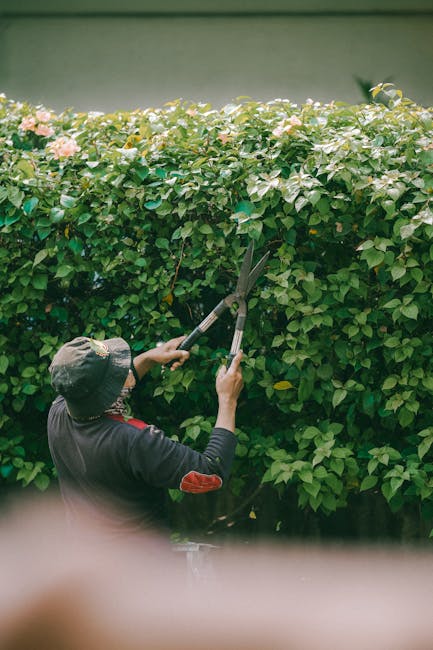
Hedges and shrubs can quickly shape the look of a garden, but they also need regular attention to stay balanced. A hedge that is left to extend unchecked can block paths, reduce light and make boundaries look untidy, while shrubs that are allowed to spread unevenly can dominate smaller beds. Our hedge and shrub maintenance is intended to keep growth controlled, with attention to the overall shape, the outer face and the places where branches begin to interfere with other parts of the garden. Hedge trimming is the dedicated page for that type of work.
In many gardens, hedge care works best alongside other routine tasks because cuttings and stray growth can affect borders, lawns and paved areas at the same time. A tidy hedge usually depends on more than one pass: assessing shape, making careful cuts and then clearing away the resulting material. If shrubs have outgrown their position, a maintenance visit can bring them back into line without removing the character of the planting. Some growth is seasonal and softer, while other material is woody and needs a different pace of work, so the approach should match the plant rather than force one method onto everything.
Where a boundary hedge is close to a path, driveway or shared line, it is sensible to be clear about the width available and any side that should not be cut. That is especially useful when the garden includes more than one type of hedge, or when shrubs form a backdrop to seating and planting areas. You can use the same enquiry to note whether the work is purely cosmetic or intended to restore access and space. Ask for a quotation once the scope is clear.
Border tidying, seasonal cut-backs and general clearance
Many gardens look unfinished because the borders are left with faded growth, loose trimmings or plants that have moved beyond their intended spread. Border tidying is not about stripping the space back; it is about restoring some order so the planting still reads well as a whole. That may involve cutting back spent material, removing light debris, lifting fallen leaves from planted areas and neatening the edges where grass, soil and paving meet. The outcome is usually a garden that feels more intentional and easier to look after.
Seasonal cut-backs can also be part of everyday maintenance when plants have finished flowering or have become overextended. Some gardens need only selective trimming, while others benefit from a broader tidy before the next growing period. The work should respect the structure of the garden, because cutting everything at the same depth rarely suits a mixed border. If the space has accumulated a lot of loose material, a more general clear-up may be needed first so the planted areas can be seen properly. Garden clearance covers heavier clean-up work when maintenance alone is not enough.
Useful information for this kind of job includes the sections to be left in place, any plants that need extra care and whether waste can be taken away after the work. If the border is shared with a path or seating area, it is also worth saying whether you want only the visible front edge tidied or the whole bed worked through. One clear description usually produces a better result than several brief messages sent separately.
About Anerley

Anerley is a district in the London Borough of Bromley, in south-east London, and its identity is closely linked to the growth of the railway age in the nineteenth century. The name is commonly associated with the former Anerley Hill area and with the atmosphere created by the expansion of suburban housing, transport and local services across the wider Crystal Palace district. The area sits near a number of established south London neighbourhoods, which gives it a layered character shaped by commuting routes, residential streets and pockets of green space. Although the original Crystal Palace itself no longer stands, the surrounding district still carries echoes of that period in its street pattern and place names. One well-known landmark in the broader area is Crystal Palace Park, with its large open grounds, terraces and water features, while local roads and railway connections continue to tie Anerley to nearby centres such as Penge and Crystal Palace. The district has also been associated with the historic Anerley railway station, which reflects the long-standing importance of rail travel to the neighbourhood’s development. Today the area is mainly residential, with a mix of housing styles and everyday local amenities rather than a single dominant commercial core. Its urban form includes tree-lined streets, smaller gardens and enclosed plots typical of inner south-east London, alongside access to larger parks and transport corridors. That combination gives Anerley a settled character, where domestic architecture and public green space sit side by side within a compact part of the city.
Preparing a quotation for the right level of work

Garden maintenance quotations are easiest to prepare when the request reflects the actual condition of the space. A tidy front garden with a small lawn and one hedge needs a different amount of work from a larger rear garden with overgrown borders, blocked access and mixed waste. Rather than sending a broad request for “general gardeningâ€, it is better to note the main tasks in order of priority. That might include mowing, cutting back growth, clearing leaves or regular upkeep of a few defined areas. Pricing and quotes explains the best starting point for cost discussions.
If the garden has been left for a while, the first visit may be about bringing it back to a manageable standard before any ongoing care is considered. In that situation, it helps to mention whether the priority is presentation, access or the health of particular plants. Photos can be useful if you want to show the overall condition, but a short written summary still matters because it tells us which areas should be addressed and which should stay untouched. That combination usually gives a more useful quotation than either one alone. Where the work is straightforward, a simple description may be enough to move forward.
Once you know the main tasks, you can decide whether the job is a one-off tidy or a repeat maintenance arrangement. Either way, the next step is simple: describe the garden, mention the service you need and request a quotation when you are ready.
Keeping maintenance practical across different garden types
Not every garden needs the same kind of attention, so practical maintenance starts with the space as it is rather than a fixed package. A small courtyard might need periodic clearing, light trimming and careful edging. A larger family garden may call for more regular mowing, hedge work and debris removal to keep it manageable. Some gardens are mostly planting, with less lawn and more border work, while others are built around open grass that needs consistent attention to stay neat. The service should follow the structure of the garden, not force it into a standard formula.
Useful decisions often involve what not to cut as much as what to cut. New planting, spring bulbs, self-seeded shrubs or retained habitat areas may all need to be left alone. Where the garden includes mixed surfaces, such as gravel, paving and turf, it also helps to state whether you want the maintenance to stop at the edges or include surrounding hard landscaping. If you are browsing for related support, the garden maintenance page gives a broader view of this work and how the different tasks fit together.
For many customers, the value of ongoing care is that problems are addressed while they are still small. A hedge is easier to shape before it becomes too wide, and a lawn is easier to keep even when the cut is regular. That makes routine maintenance a practical choice for people who want the garden to stay ready without repeated catch-up work. It also helps keep the task list clear, because each visit can focus on the same defined areas rather than reinventing the plan every time. Plan the work clearly, and the quotation can follow the same structure.
Supporting planting, boundaries and the finish of the whole space
Good maintenance is often noticed most in the details around the edges of the garden. Clean borders, trimmed growth and well-kept boundaries can change how the whole space reads, even when the planting itself remains largely the same. This is especially true where beds meet walls, fences or paths, because untidy edges draw attention away from the rest of the garden. A careful approach keeps the finish consistent and avoids the common problem of one area looking neat while another is left to grow unchecked. When that balance is right, the space feels calmer and easier to use.
Boundaries also matter because they affect how a garden is maintained over time. Hedges, climbers and shrubs can all push into neighbouring areas or conceal sections that need attention. Regular trimming, cutting back and waste clearing help reduce that build-up and make future visits more straightforward. If you are considering more than maintenance, the broader options on the landscape gardening page may also be relevant where changes to layout or structure are being planned, although routine care remains a separate type of work.
The best starting point is often a plain description of the garden as it is now: what is overgrown, what needs keeping neat and what should be left alone. That keeps the discussion focused on the actual work rather than general ideas about improvement. It also makes it easier to choose between a one-off tidy and a longer-term maintenance arrangement. When you are ready, send the details and ask for a quotation that reflects the real scope of the job.
Choosing the most suitable maintenance approach
Different gardens benefit from different levels of attention, and choosing the right approach starts with the practical needs of the space. Some customers want help with a few obvious tasks, such as mowing and hedge trimming, while others need a broader maintenance visit that includes borders, waste collection and general tidying. The main point is to match the work to the current condition of the garden so that effort is spent where it matters most. That keeps the job efficient and the result easier to maintain afterwards.
If you are unsure how to describe the work, the simplest method is to walk through the garden and note each area separately. A lawn section, a hedge line, a bed with mixed planting and a path edged by weeds are all different kinds of maintenance, even though they may be handled in the same visit. The service pages make those distinctions easier to see, from hedge trimming and lawn mowing through to broader garden support, so you can choose the most relevant starting point before you enquire.
Service pages and next steps
When you are ready to move from planning to action, it helps to use the service pages as a guide to the work you actually need. A garden that mainly needs the lawn kept short may need a different conversation from one that has several hedges, mixed borders or accumulated cuttings. Looking at the relevant page first can make the enquiry shorter and more accurate. If you want a fuller picture of the wider service range, the services overview is the simplest place to begin.
For properties where waste and overgrowth have become a bigger issue, the more substantial work is described on the pages for clearance and tree-related jobs, while routine maintenance remains the cleaner option for regular upkeep. In some cases the garden may need a combination of tasks, and in others a single focused visit will be enough. The point is to describe the space honestly so the work can be matched well. Contact us when you want to provide those details and receive a quotation.
Whether you are looking after a compact domestic garden or a larger outside area, the most useful outcome is the same: a clear plan, a tidy finish and a maintenance schedule that makes sense for the space. Keep the request specific, mention the parts that matter most and ask for a quotation once you know what you need.